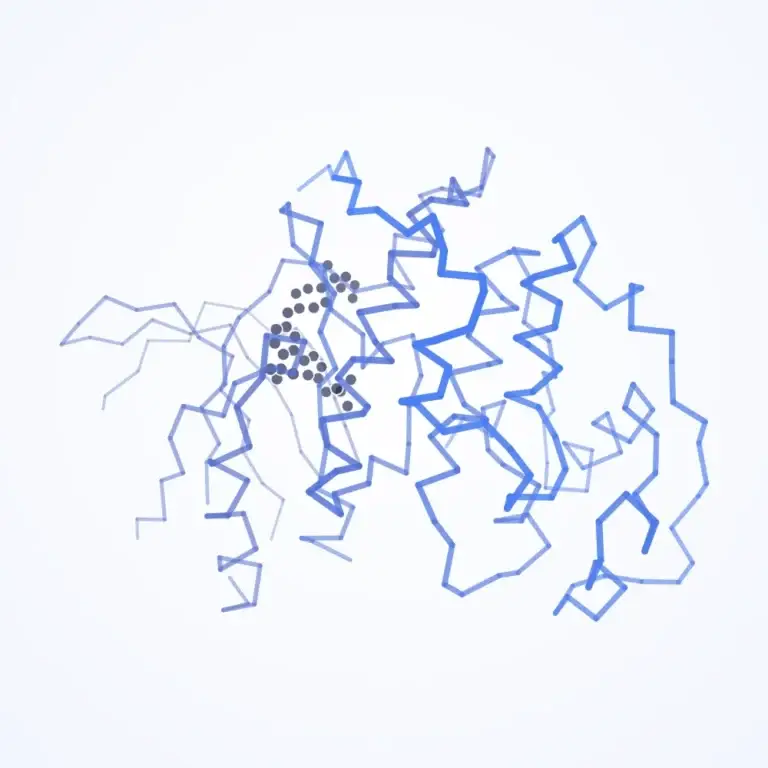
Structures
Discovery of (4-Pyrazolyl)-2-Aminopyrimidines as Potent and Selective Inhibitors of Cyclin-Dependent Kinase

Discovery of (4-Pyrazolyl)-2-Aminopyrimidines as Potent and Selective Inhibitors of Cyclin-Dependent Kinase
The quest for selective cyclin-dependent kinase 2 (CDK2) inhibitors has reached a significant milestone with the discovery of (4-pyrazolyl)-2-aminopyrimidines, representing a new class of potent anticancer compounds that successfully address the longstanding challenge of kinase selectivity. This breakthrough addresses a critical unmet need in oncology, where CDK2 dysregulation drives tumor progression in CCNE1-amplified cancers, yet previous inhibitors suffered from poor selectivity and associated toxicity.
CDK2 plays a pivotal role in cell cycle regulation, partnering with cyclin E1 to control the G1/S transition. The dysregulation of this CDK2/cyclin E1 complex serves as a key oncogenic driver in various human cancers, particularly high-grade serous ovarian cancer, endometrial cancer, and certain breast cancers where CCNE1 amplification occurs in 15-20% of cases. These amplifications create a therapeutic vulnerability, as cancer cells become dependent on CDK2 activity for survival while normal cells can compensate through alternative pathways.
The structure-activity relationship (SAR) studies revealed critical insights into the molecular determinants of CDK2 selectivity. The (4-pyrazolyl)-2-aminopyrimidine scaffold achieves selectivity through specific interactions with the CDK2 active site, particularly in the hinge region where the 2-aminopyrimidine motif forms crucial hydrogen bonds with Leu83. The pyrazole ring at the 4-position occupies the ribose binding pocket, while substituent modifications fine-tune selectivity over other CDK isoforms. Compound 17, the lead molecule from this series, demonstrates exceptional potency with an IC₅₀ of 0.29 nM against CDK2 while maintaining selectivity over CDKs 1, 4, 6, 7, and 9.
The mechanism of action involves competitive inhibition of ATP binding, leading to reduced retinoblastoma (Rb) protein phosphorylation. In CCNE1-amplified cancer models, CDK2 inhibition results in G1/S cell cycle arrest and induction of therapy-induced senescence. This selectivity profile represents a significant advancement over earlier pan-CDK inhibitors like dinaciclib, which caused dose-limiting toxicities due to simultaneous inhibition of multiple CDK isoforms.
The therapeutic potential extends beyond single-agent activity, with emerging evidence supporting combination strategies. In CCNE1-amplified tumors, CDK2 inhibitors sensitize cells to DNA-damaging agents by disrupting homologous recombination repair mechanisms. This synthetic lethality approach offers particular promise for ovarian cancers with intact homologous recombination, which are typically resistant to PARP inhibitors. The combination of CDK2 inhibition with chemotherapy converts static responses to tumor regression, even in chemoresistant models.
Clinical translation of this discovery is already underway, with several selective CDK2 inhibitors entering clinical trials. Beyond the Incyte compound, related selective CDK2 inhibitors including INX-315, BLU-222, and PF-07104091 are being evaluated in patients with CCNE1-amplified cancers. These clinical developments validate the therapeutic hypothesis that selective CDK2 inhibition can provide efficacy while avoiding the toxicities associated with broader CDK inhibition.
The broader implications for cancer therapy are substantial, as this work establishes a framework for developing next-generation CDK inhibitors with improved therapeutic windows. The success of the (4-pyrazolyl)-2-aminopyrimidine scaffold demonstrates how structure-based drug design can overcome historical challenges in kinase selectivity, potentially serving as a template for targeting other members of the CDK family with enhanced precision.
| Key Concepts | Description | Key References |
|---|---|---|
| CDK2 Selectivity | Achievement of selectivity over other CDK isoforms through structure-based design | Hummel et al., J. Med. Chem. |
| CCNE1 Amplification | Genetic alteration creating therapeutic vulnerability in specific cancer subtypes | Anonymous, Cancer Res. |
| Structure-Activity Relationships | Molecular determinants of potency and selectivity in pyrazolyl-aminopyrimidine scaffold | Cyclin-Dependent Kinase Inhibitors: SAR, ACS J. Med. Chem. |
| Rb Phosphorylation | Key mechanistic readout of CDK2 activity and therapeutic target engagement | Nature Sci. Rep. 2022 |
| Combination Therapy | Synergistic approaches combining CDK2 inhibition with DNA-damaging agents | Brown et al., NAR Cancer |
| Clinical Translation | Development pathway from preclinical discovery to clinical trials | Expert Opin. Drug Discov. 2025 |